
- Services
- Specialties
- Service Areas
Medication Management, CT
Functional Psychiatry, CT
Medication Management, MA
- Lexington
- Dover
- Weston
- Carlisle
- Sudbury
- Hopkinton
- Wellesley
- Needham
- Wayland
- Southborough
- Medfield
- Franklin
- Lincoln
- Norfolk
- Concord
- Bedford
- Stow
- Holliston
- Littleton
- Medway
- Natick
- Andover
- Westford
- Boxford
- Chelmsford
- North Andover
- Newton
- Belmont
- Winchester
- Arlington
- Reading
- Melrose
- North Reading
- Cambridge
- Somerville
- Brookline
- Westwood
- Milton
- Sharon
- Walpole
- Canton
- Dedham
- Hingham
- Duxbury
- Cohasset
- Scituate
- Norwell
- Hanover
- Marblehead
- Lynnfield
- Hamilton
- Wenham
- Topsfield
- Harvard
- Bolton
- Groton
- Amherst
- Northampton
- Osterville
- Cotuit
- Forestdale
- Pocasset
- Barnstable Village
- Centerville
- Hyannis
- Marstons Mills
- West Barnstable
- Cataumet
Functional Psychiatry, MA
- Lexington
- Dover
- Weston
- Carlisle
- Sudbury
- Hopkinton
- Wellesley
- Needham
- Wayland
- Southborough
- Medfield
- Franklin
- Lincoln
- Norfolk
- Concord
- Bedford
- Stow
- Holliston
- Littleton
- Medway
- Natick
- Andover
- Westford
- Boxford
- Chelmsford
- North Andover
- Newton
- Belmont
- Winchester
- Arlington
- Reading
- Melrose
- North Reading
- Cambridge
- Somerville
- Brookline
- Westwood
- Milton
- Sharon
- Walpole
- Canton
- Dedham
- Hingham
- Duxbury
- Cohasset
- Scituate
- Norwell
- Hanover
- Marblehead
- Lynnfield
- Hamilton
- Wenham
- Topsfield
- Harvard
- Bolton
- Groton
- Amherst
- Northampton
- Osterville
- Cotuit
- Forestdale
- Pocasset
- Barnstable Village
- Centerville
- Hyannis
- Marstons Mills
- West Barnstable
- Cataumet
Medication Management, NH
Functional Psychiatry, NH
Medication Management, ME
Functional Psychiatry, ME
Medication Management, VT
Functional Psychiatry, VT
Medication Management, RI
Functional Psychiatry, RI
Eating Disorder Treatment, MA
- Lexington
- Dover
- Weston
- Carlisle
- Sudbury
- Hopkinton
- Wellesley
- Needham
- Wayland
- Southborough
- Medfield
- Franklin
- Lincoln
- Norfolk
- Concord
- Bedford
- Stow
- Holliston
- Littleton
- Medway
- Natick
- Andover
- Westford
- Boxford
- Chelmsford
- North Andover
- Newton
- Belmont
- Winchester
- Arlington
- Reading
- Melrose
- North Reading
- Cambridge
- Somerville
- Brookline
- Westwood
- Milton
- Sharon
- Walpole
- Canton
- Dedham
- Hingham
- Duxbury
- Cohasset
- Scituate
- Norwell
- Hanover
- Marblehead
- Lynnfield
- Hamilton
- Wenham
- Topsfield
- Harvard
- Bolton
- Groton
- Amherst
- Northampton
- Osterville
- Cotuit
- Forestdale
- Pocasset
- Barnstable Village
- Centerville
- Hyannis
- Marstons Mills
- West Barnstable
- Cataumet
Therapy, MA
- Lexington
- Dover
- Weston
- Carlisle
- Sudbury
- Hopkinton
- Wellesley
- Needham
- Wayland
- Southborough
- Medfield
- Franklin
- Lincoln
- Norfolk
- Concord
- Bedford
- Stow
- Holliston
- Littleton
- Medway
- Natick
- Andover
- Westford
- Boxford
- Chelmsford
- North Andover
- Newton
- Belmont
- Winchester
- Arlington
- Reading
- Melrose
- North Reading
- Cambridge
- Somerville
- Brookline
- Westwood
- Milton
- Sharon
- Walpole
- Canton
- Dedham
- Hingham
- Duxbury
- Cohasset
- Scituate
- Norwell
- Hanover
- Marblehead
- Lynnfield
- Hamilton
- Wenham
- Topsfield
- Harvard
- Bolton
- Groton
- Amherst
- Northampton
- Osterville
- Cotuit
- Forestdale
- Pocasset
- Barnstable Village
- Centerville
- Hyannis
- Marstons Mills
- West Barnstable
- Cataumet
Therapy, NH
- Pricing
- Our Team
- Client Center
- Blog
OCD Treatment and Support
Obsessive-compulsive disorder (OCD) can affect the way you experience thoughts, emotions, and daily routines. It may involve unwanted thoughts, urges, or images that feel difficult to manage, along with behaviors or mental rituals used to respond to distress.
At Harborside Psychiatrics, OCD care includes evaluation, medication management when appropriate, and therapy support from licensed clinicians. Care is delivered by video, allowing adults and families across New England to meet with our team from home.
If you are in immediate danger, call 911. For mental health crisis support, call or text 988. Harborside does not provide emergency or after-hours care.
What OCD looks like
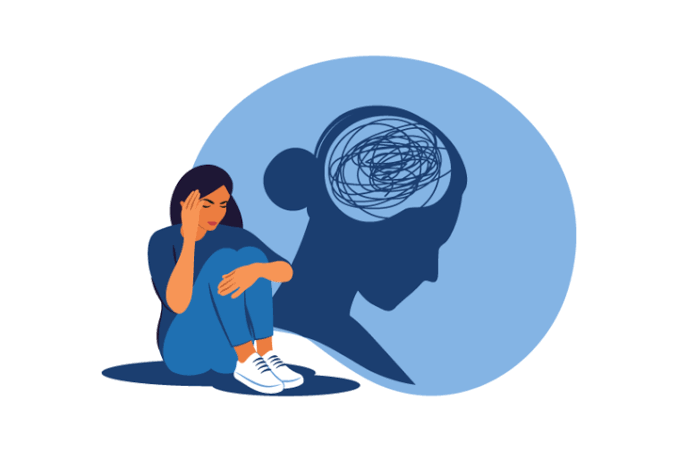
OCD is a mental health condition involving recurring unwanted experiences and patterns of response. The experience can be different from person to person. Some people notice intrusive thoughts that feel upsetting or inconsistent with their values. Others may feel a strong need to complete certain actions, routines, or mental steps to reduce distress.
OCD is not simply being organized, careful, or particular. The symptoms can involve significant distress or interfere with everyday activities, relationships, work, school, or personal responsibilities.
Common OCD experiences may include:
- Repeated unwanted thoughts, fears, or images that feel difficult to dismiss
- A strong urge to perform certain actions or routines
- Rechecking, repeating, counting, arranging, or seeking reassurance
- Mental rituals that are not visible to others
- Spending significant time managing distressing thoughts or behaviors
Reading about OCD symptoms can help you learn more, but only a qualified clinician can evaluate your individual concerns and determine what type of support may be appropriate.
The National Institute of Mental Health (NIMH) provides educational information about OCD, including symptoms and treatment approaches. National Institute of Mental Health (NIMH) OCD information
When it is worth getting help
You may consider speaking with a mental health clinician if OCD-related thoughts or behaviors are taking up a significant amount of your attention or making daily life harder to manage.
Support may be appropriate when you notice that:
- Thoughts or urges feel distressing or difficult to control
- Rituals or repeated behaviors interfere with your schedule
- You avoid situations because of fear or distress
- Family members or loved ones are affected by OCD-related patterns
- You want help understanding your symptoms and available care options
An evaluation can help clarify what you are experiencing and whether medication management, therapy, or another form of support may be appropriate.
How we approach it
OCD care at Harborside Psychiatrics is provided through medication management and therapy services based on each person’s needs.
Medication management and functional psychiatry services are provided by psychiatric nurse practitioners:
- Rachel Egan RN PMHNP-BC,
- Emily Pardue RN PMHNP-BC
- Kirstin Ritchie RN PMHNP-BC
Each psychiatric nurse practitioner is qualified to evaluate, diagnose, and prescribe for mental health conditions. Full bios and credentials are available on the team page.
Therapy services are provided by the licensed therapy team:
For OCD, therapy is often an important part of care. Harborside therapy services are available in MA and NH only. Your clinician can discuss the approaches that may fit your situation.
What treatment involves
OCD treatment begins with understanding your concerns, history, symptoms, and goals for care. Your clinician will discuss your experiences and help determine appropriate next steps.
Therapy for OCD may include approaches such as exposure and response prevention (ERP), a structured therapy method that focuses on learning to respond differently to distressing thoughts and situations. Medication management may also be considered when appropriate and is provided by psychiatric nurse practitioners.
Care may include:
- An initial evaluation with a psychiatric nurse practitioner or therapist
- Discussion of symptoms, concerns, and treatment options
- Ongoing appointments based on your care plan
- Medication management when prescribed by a psychiatric nurse practitioner
- Therapy sessions with licensed clinicians when appropriate
Your care plan is based on your individual circumstances. A clinician can explain available options and answer questions about what treatment may involve.
Working with children and teens
OCD can affect children and teens as well as adults. When a young person experiences distressing thoughts, repetitive behaviors, or changes in daily routines, families may want support understanding what is happening.
Care for children and teens involves considering developmental needs, family involvement, and the concerns that brought you to seek support. A clinician can discuss available options and whether Harborside’s services are appropriate for your child or teen.
What we do not do
Harborside Psychiatrics focuses on outpatient behavioral health care provided through scheduled appointments.
We do not provide emergency or after-hours services. If you are experiencing an immediate mental health crisis, call or text 988 for crisis support or call 911 if you are in immediate danger.
Harborside also does not provide care through walk-in appointments. An initial appointment allows time for a clinician to learn about your concerns and discuss appropriate next steps.
Getting started
Starting care begins with learning more about your concerns and determining what type of support may be appropriate.
Harborside Psychiatrics is a private-pay practice and does not bill insurance directly for appointments. Current fees for an initial and a follow-up appointment are listed on the pricing page, and questions about cost can be answered before anything is booked.
Care is provided by video from our practice based at 411 Main St, Yarmouth Port, Massachusetts. You can contact Harborside to ask questions about services, scheduling, and whether an appointment may be a good fit for your needs.